
Multi-location operations
How operating leaders find out why one store, unit or region is behind, and what to do about it. Articles on diagnosing locations against real peers, scaling what your best district managers know, and closing the gap between the plan and the floor.
22 articles
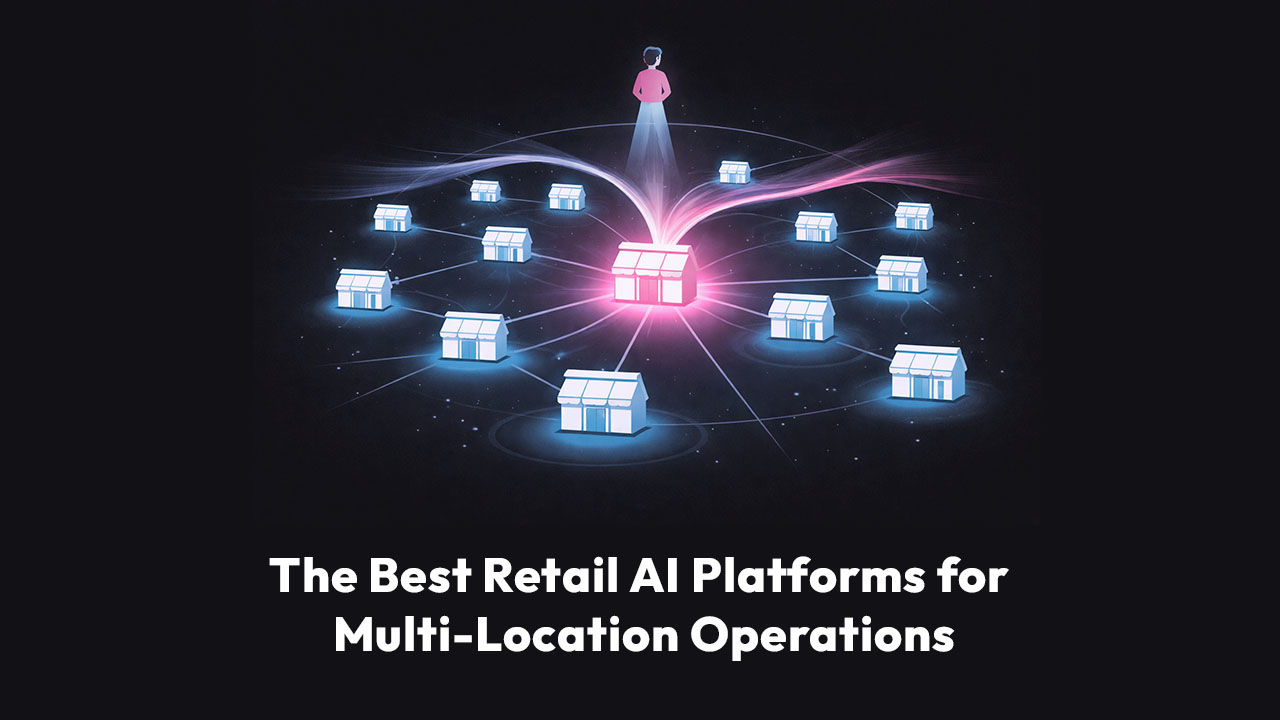
The Best Retail AI Platforms for Multi-Location Operations
Compare the best retail AI platforms for multi-location chains in 2026 by category, and find the layer that explains why a store is slipping.

What is retail analytics? A guide for leaders running multi-location chains
Retail analytics explained: the four types, the data behind them, the KPIs that matter, and why multi-location chains stall at store diagnosis.
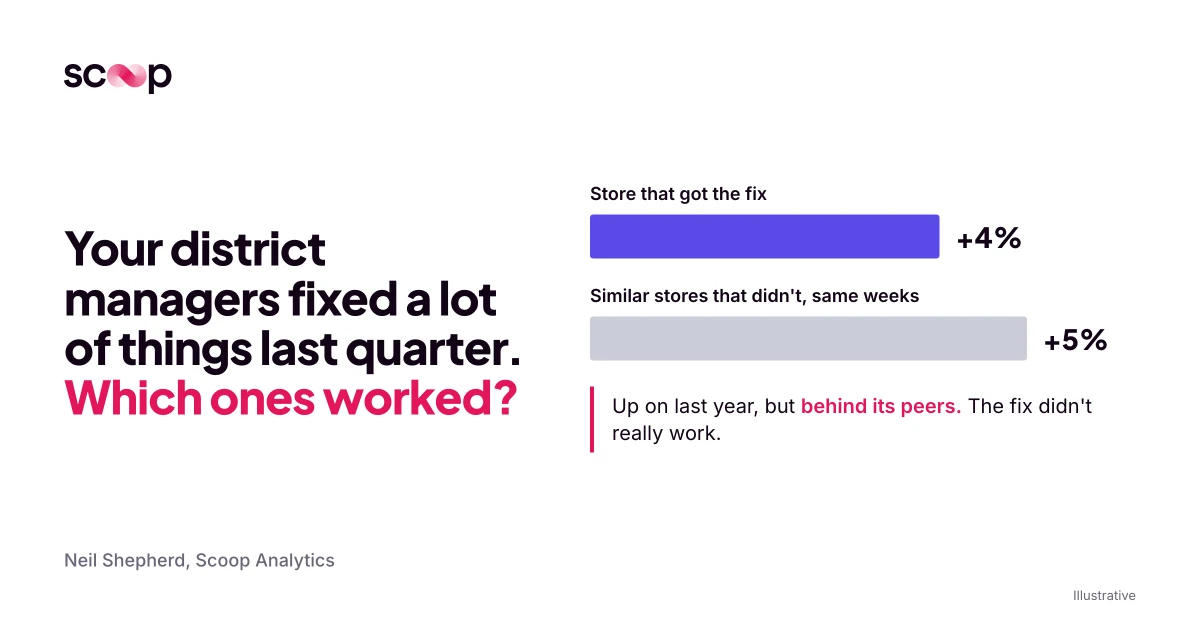
Your district managers fixed a lot of things last quarter. Which ones worked?
Most store visits end with an agreed action, and very few chains check whether it worked. What checking properly looks like, and how one specialty retailer finds its opportunity stores every cycle.
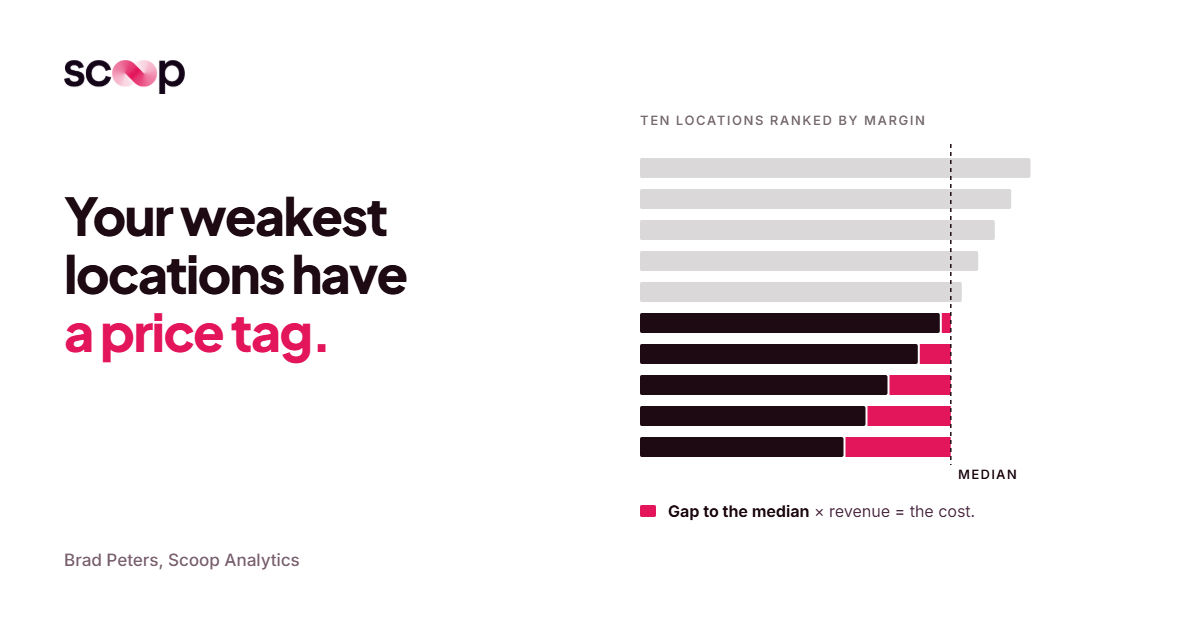
How Much Does Location Performance Variance Cost Multi-Location Operators?
Location performance variance costs operators margin points at weak sites. Learn how to size the gap and why most locations never get a real review.
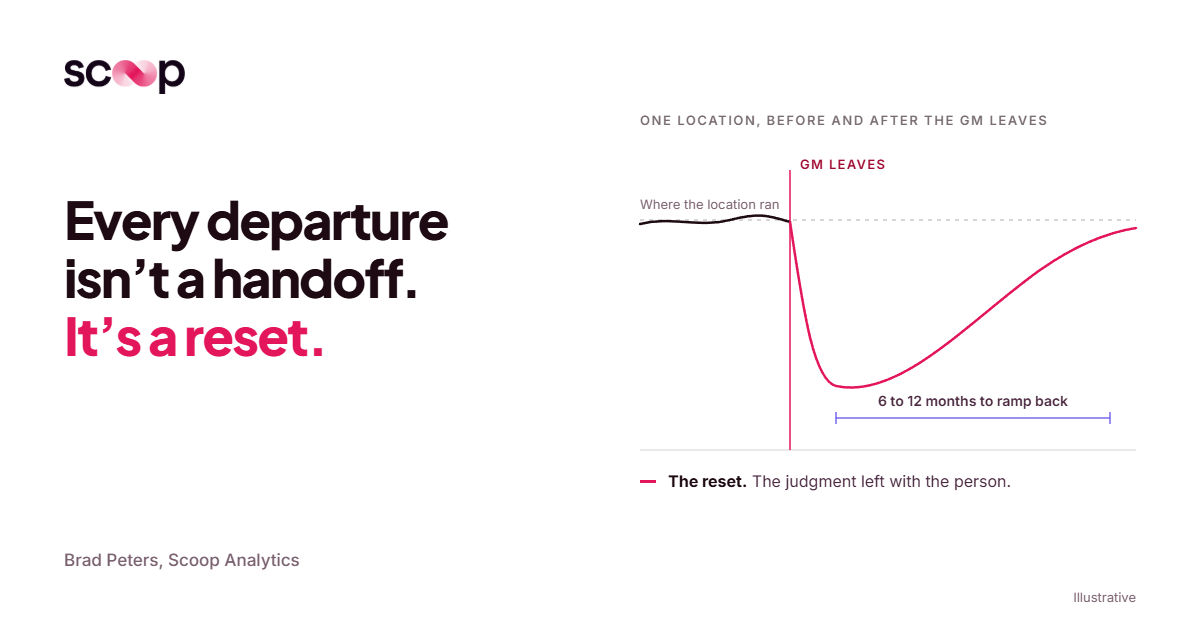
Why Multi-Location Businesses Lose Operational Knowledge Every Time Someone Leaves
Every time a strong GM leaves, the location resets. Brad Peters on why operational knowledge loss is structural, and how to keep judgment in every unit.
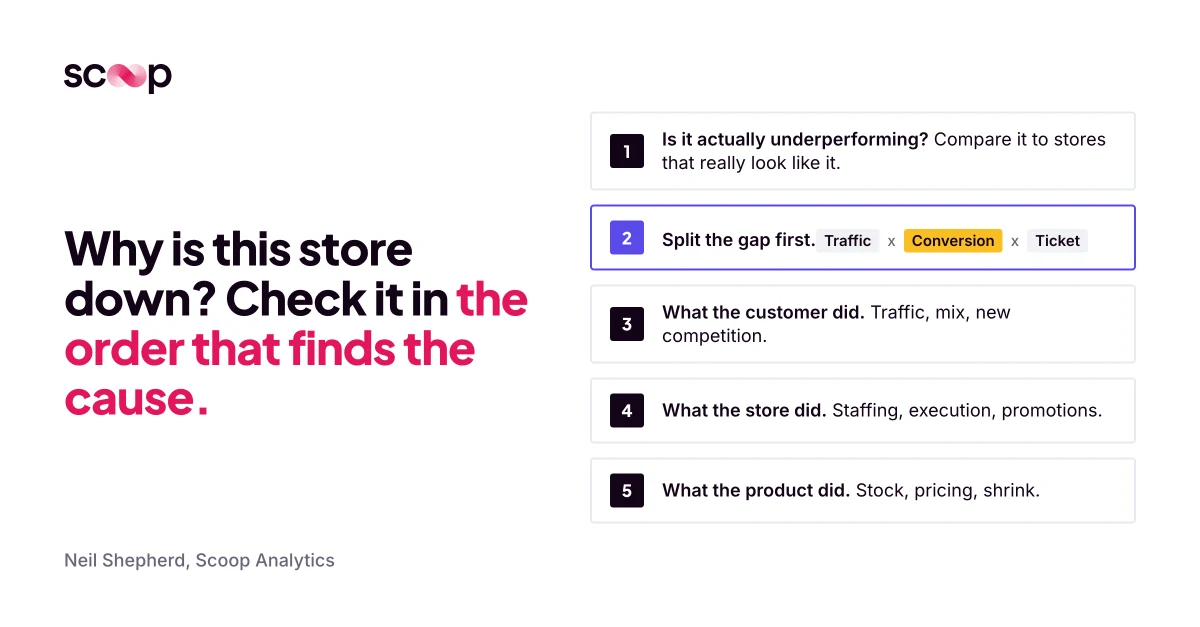
Why is this store down? A five step check
Any ops leader can list why a store might be missing plan. The hard part is checking the list in the right order, before the cause moves on. Here is the order that gets to the root cause fastest.
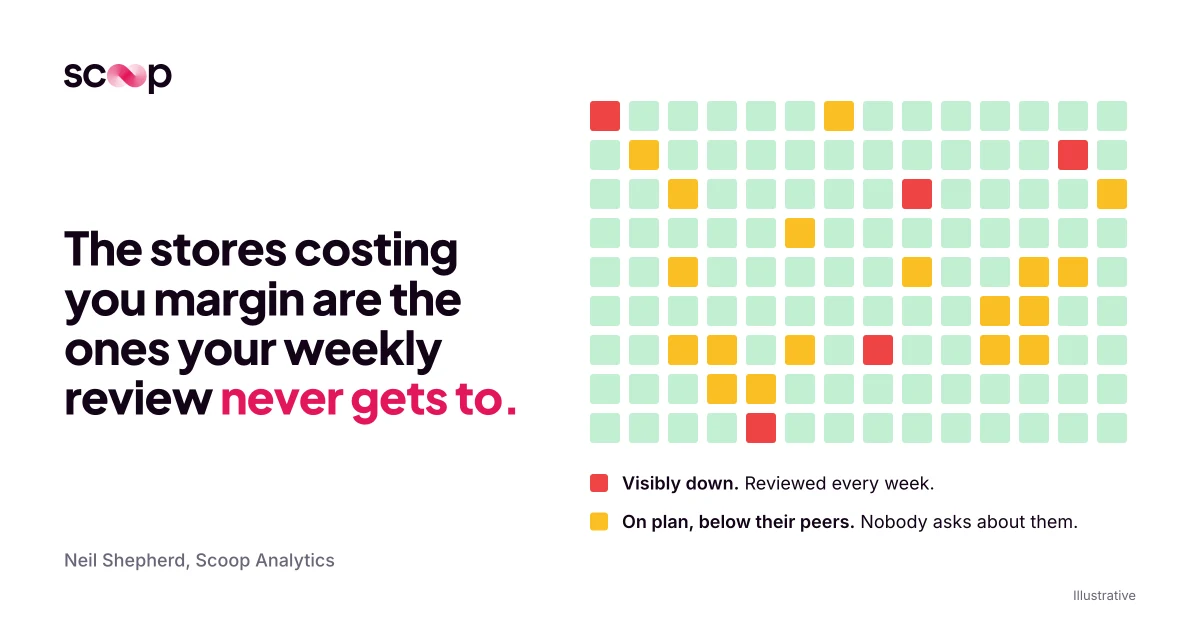
The stores costing you margin are the ones your weekly review never gets to
The stores that cost a chain the most usually look fine: on plan, flat on last year, and quietly below what similar stores manage. Why they go unexamined and what it takes to catch them.
What Is Tribal Knowledge in Multi-Location Operations?
Tribal knowledge is the judgment your best operators can't write down. Here is why it's a business risk and what it takes to capture and scale it.
Why Dashboards Don't Work: And What Has to Replace Them
Dashboards go unused in multi-location ops for one structural reason: the two kinds of knowledge they require live in people, not the tool.

How to track inventory accurately in retail
Learn how to track inventory accurately, from spreadsheets to POS systems, plus what accurate tracking still cannot tell you about your stock.

Why retail AI analytics pilots fail (and how to fix them)
Most retail AI analytics pilots die when the analyst says "my team can already do that." Here's why, and the four-layer test that proves value.

Why your retail AI pilot is not working
Most retail AI pilots fail on context, not model quality. Why generic AI is not incremental and what makes it stick across every store, every week.
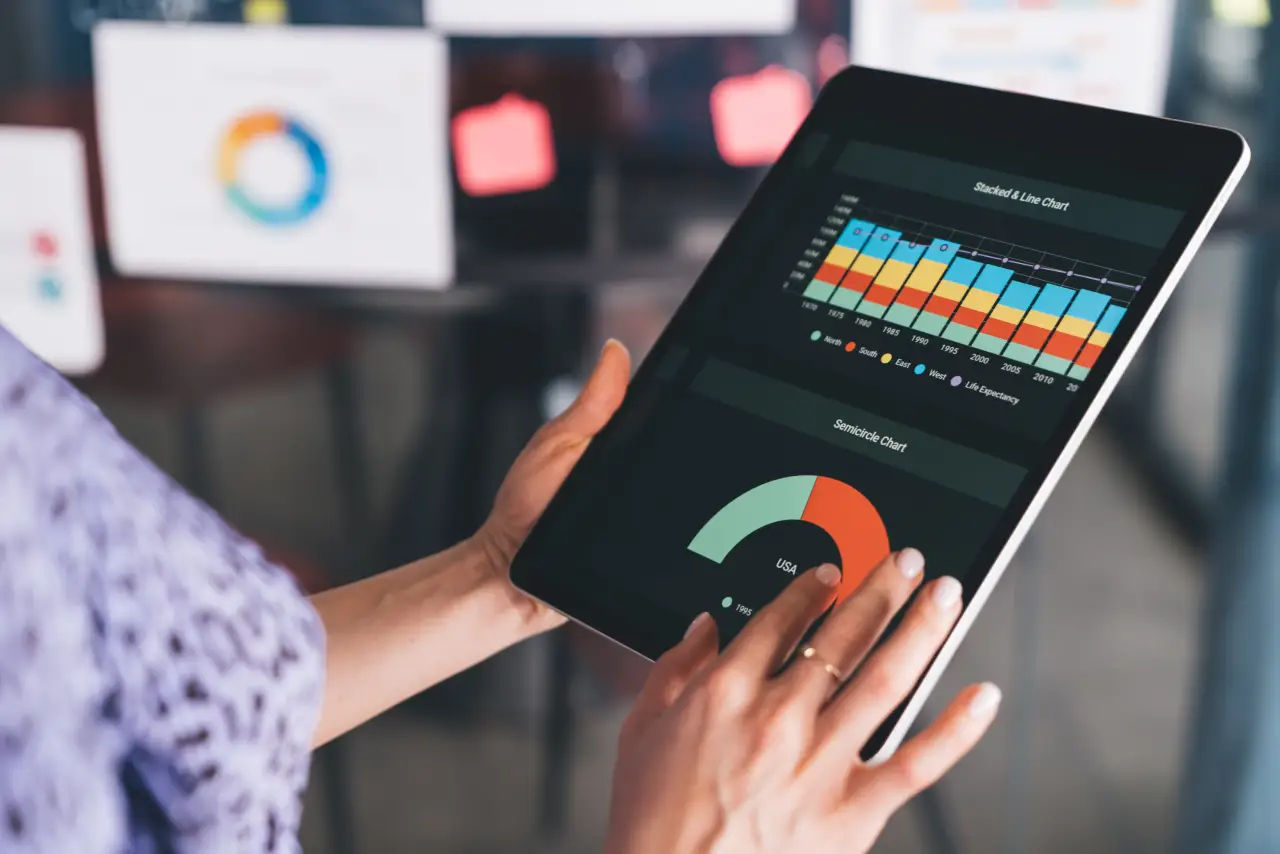
5 Dashboard Blind Spots a Multi-Store Retail COO Showed Me This Week
A retail COO showed me five things his dashboards could not see, from walk-aways to intake drift. The blind spots are real and they are predictable.

Scaling Your Best Regional Manager’s Judgment to Every Store, Every Week
How multi-location retailers capture the diagnostic instinct of a senior operator and run it across every location on a weekly cadence.
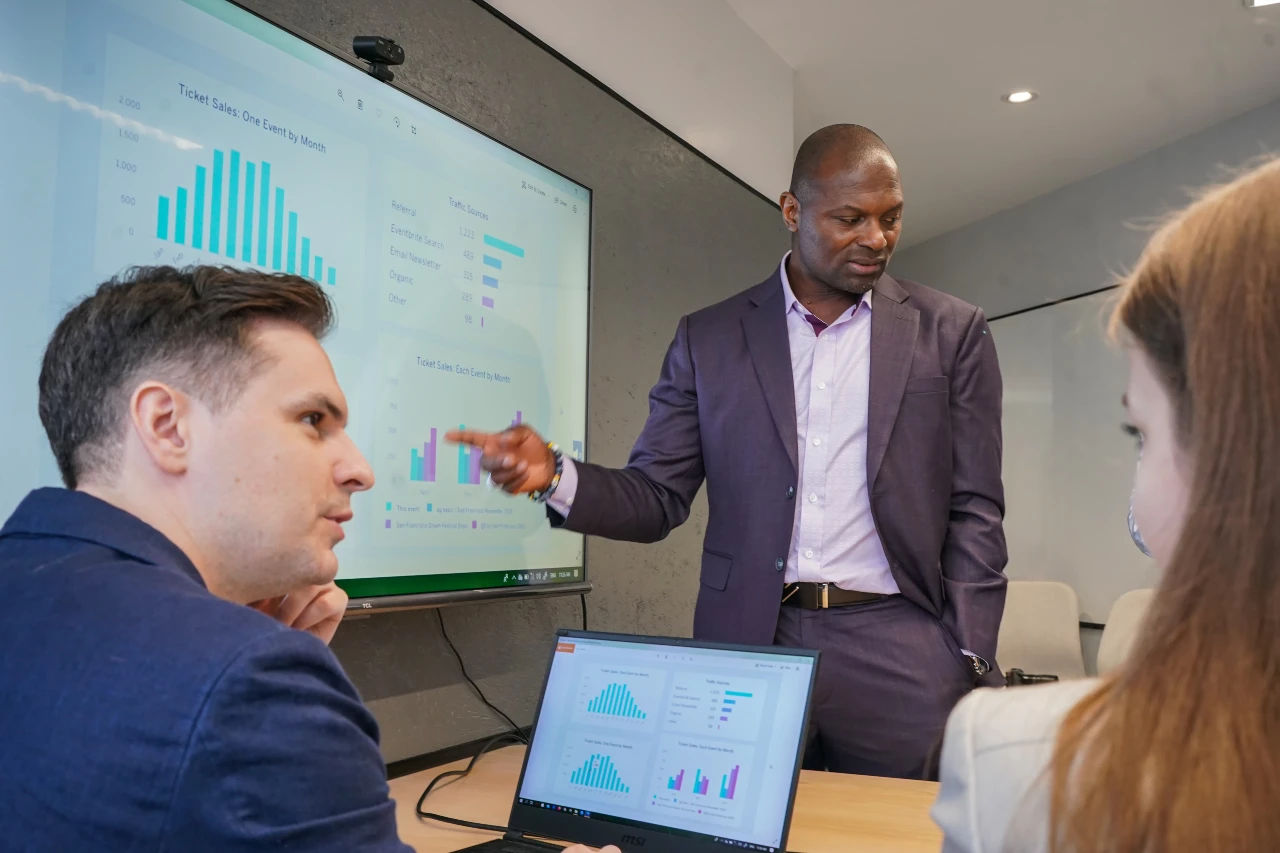
The Drift Problem in Retail: Why the Plan is Not What's Broken
A 50% realization factor is the polite name for the gap between what your operation plans and what it actually does week to week. Closing that gap is not a planning problem. It is an instrumentation problem.

The 10-Hypothesis Problem: How to Diagnose a Struggling Store Before the Moment to Act Has Passed
Why retail store underperformance diagnosis takes too long, the 10 hypotheses behind every soft store, and what changes when investigation runs weekly.

Why Retail Store Diagnostics Take So Long
In 500-store retail chains, 10 hypotheses per underperforming store means weeks of analyst time. See what changes when AI investigates every location weekly.

“There are 1,000 reasons a store can be doing poorly”: A retail strategy leadership lesson
This week I sat in on a conversation with a strategy leader at a $12 billion multi-location retail chain. About fifteen minutes in, he said something that stopped the call cold.

AI Retail Analytics: Multi-Location's Guide to Weekly Store Investigations
AI retail analytics moves multi-location operators from slow store-by-store diagnostics to autonomous weekly investigations across every location. When a store is struggling, there are many possible causes. Manual investigation takes weeks. Today we are going to explain what automated weekly investigation changes for a 500+ location chain.
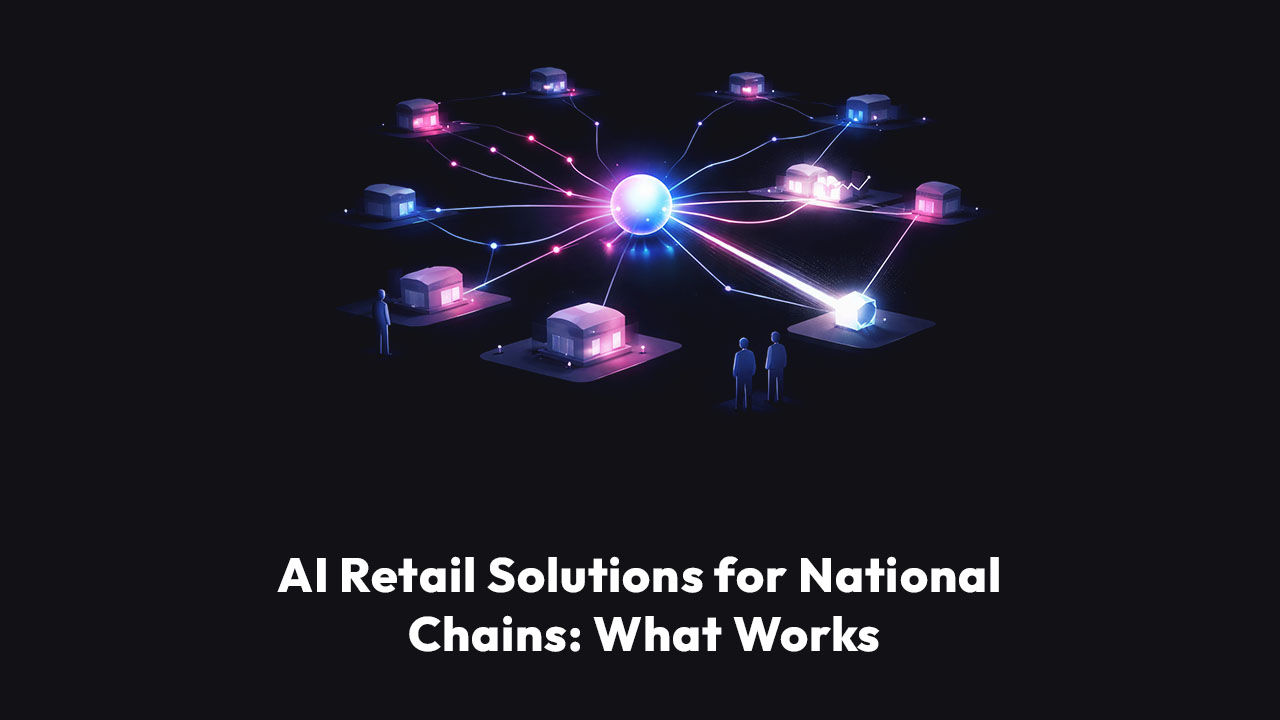
AI Retail Solutions for National Chains: What Works
The best AI retail solutions don't just show you what happened across your locations. They investigate why it happened, surface the root cause, and tell you what to do next. For national retail chains, that distinction is the difference between a dashboard and a decision.
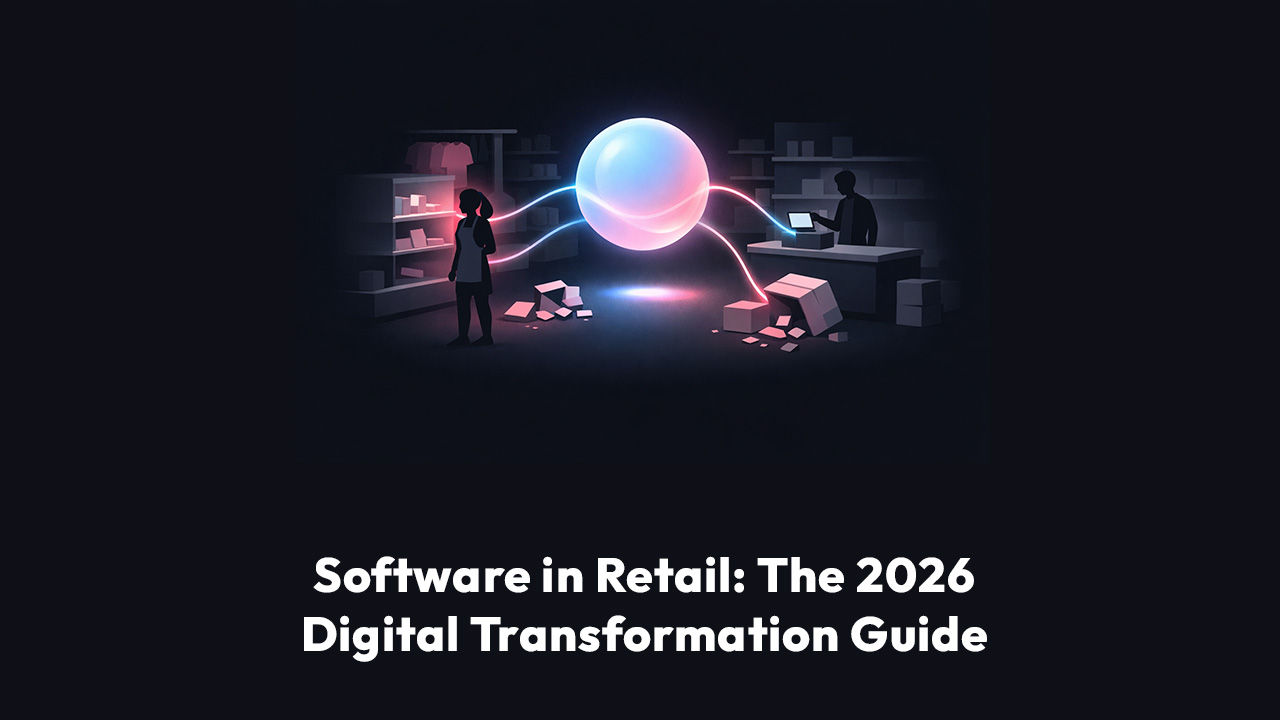
Software in Retail: The 2026 Digital Transformation Guide
Retail software in 2026 covers everything from point-of-sale systems and inventory platforms to AI-powered analytics engines that investigate store performance autonomously. But the real question isn't which software category to invest in. It's whether the tools you're running can actually explain what's going wrong before it compounds.
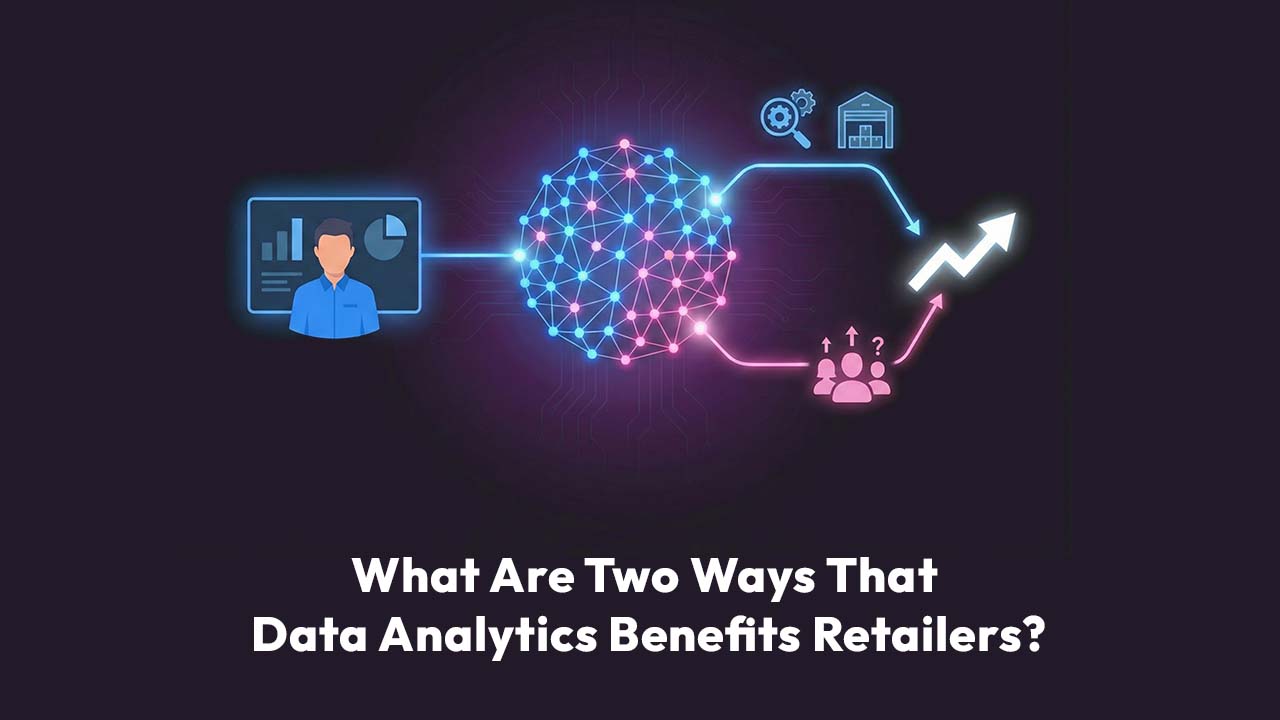
What Are Two Ways That Data Analytics Benefits Retailers?
Move beyond static dashboards and discover the power of Domain Intelligence. This guide explores exactly what are two ways that data analytics benefits retailers—autonomous operational investigation and predictive customer segmentation—to transform your raw data into decision-ready executive insights.
Book a discovery call
Reach out to start a two-way conversation about your industry, your performance variations across locations, and whether Scoop is the right fit for you.